
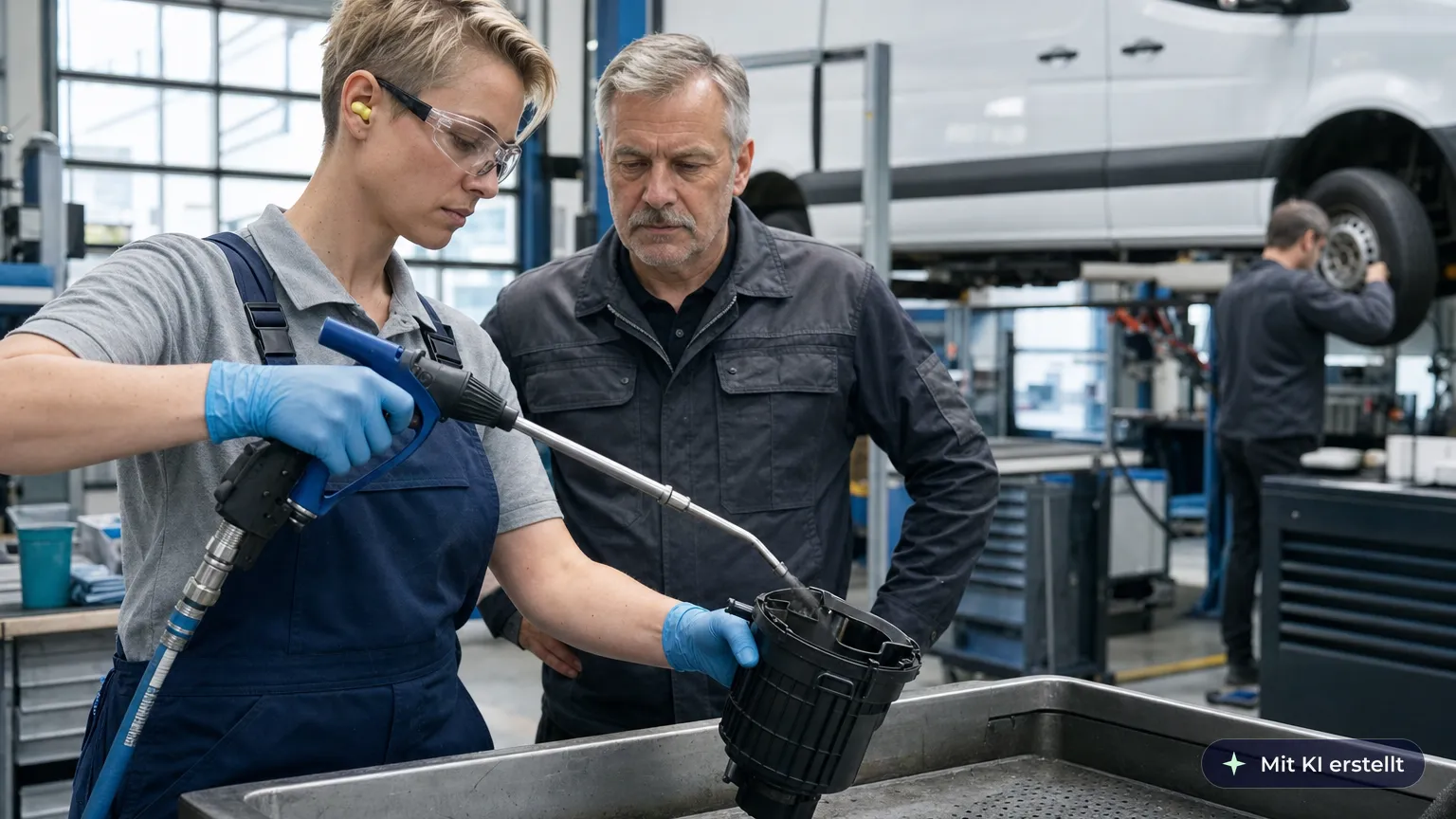
Working with compressed air systems, pneumatic tools, and hoses poses hazards to the body and hearing. You learn to handle couplings and hoses correctly and never to blow compressed air at people.
25 min
Multimodal
Über 30 Sprachen
Teilnahmebescheinigung
Compressed air is underestimated: a jet of compressed air can penetrate the skin, injure the eyes, and cause life-threatening embolisms if it enters body openings. Whipping hoses, bursting couplings, and flying chips add to this, as does noise of up to more than 100 dB(A). DGUV Regulation 1 and the Ordinance on Industrial Safety and Health (BetrSichV) require instruction for everyone who works with compressed air.
00 Fundamentals and hazards
01 Hoses, couplings, and inspection
02 Cleaning and blowing off
03 Operating pneumatic tools safely
04 Malfunctions and emergencies
05 Summary
06 Knowledge check incl. certificate of completion
The entire workforce, especially anyone who uses compressed air; modular and suitable as initial training for new employees and as an annual refresher.
Leading organizations trust Bridgly


.png)
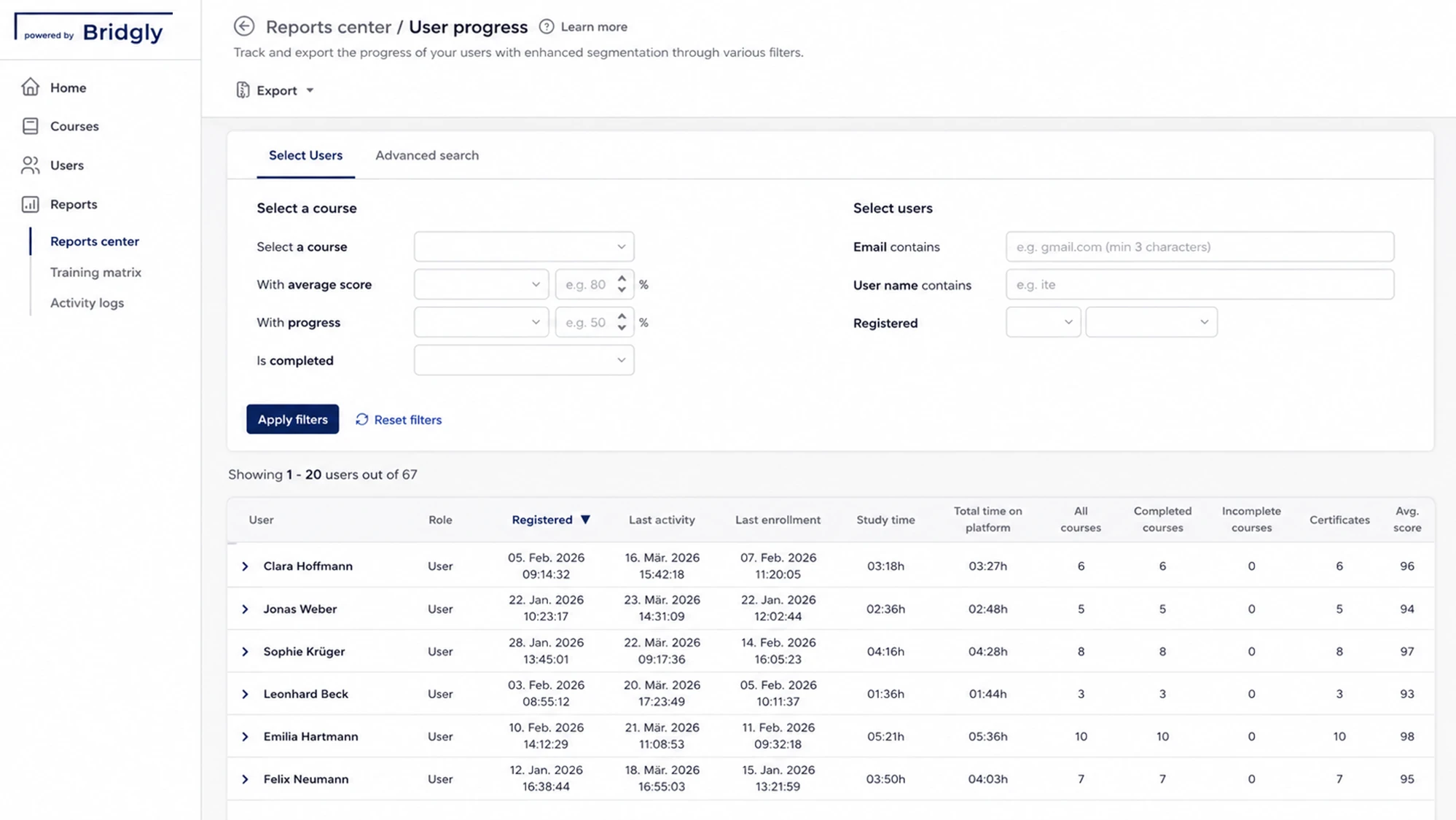
Our platform bundles all training management functions, from planning to reporting, in one place.
Training organization
Define who is trained on which content and when.
Training documentation
See at any time who completed which content and when.
Manage participants
CSV import, learning groups, and access rights in one place.
Automated
reminders
Deadlines and recurring training run automatically.
Here you will find the most important answers.
Training and professional development for companies and public-sector clients – with audit-proof documentation and a practical focus.
Get in touch now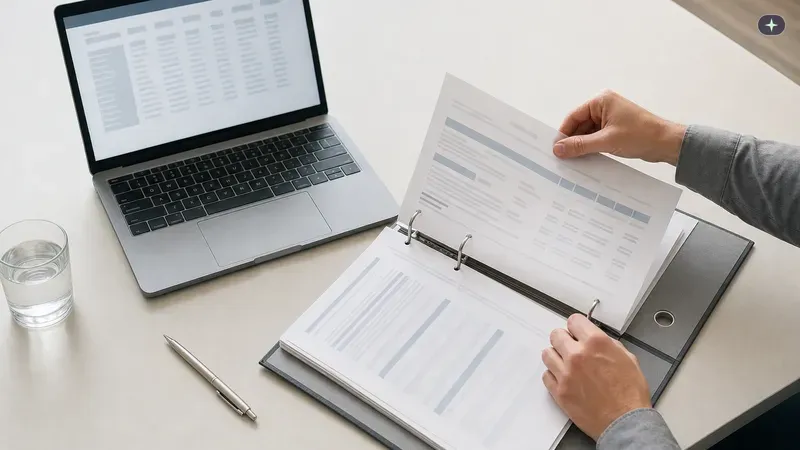
Bridgly is the European training partner for audit-proof, tailored, and automated training and professional development.
 We support the IHK initiative "Pack ma's digital" to help businesses in Upper Bavaria with digitalisation and secure the future of the region.
Note: Some text, images, and videos on this website were generated using artificial intelligence.
All content is for informational purposes and has been carefully reviewed from a journalistic perspective, but does not claim to be exhaustive or legally binding.