
Training and professional development for your workforce, organized by topic. Choose a topic or a package, or search directly for a training course.

The General Act on Equal Treatment (AGG) obliges every employer to protect its workforce from discrimination in everyday work. Employees learn about their rights and protective mechanisms and avoid mistakes in dealing with discrimination.

Secure handling is mandatory for classified information up to the classification level CLASSIFIED – FOR OFFICIAL USE ONLY (VS-NfD). You learn about creating, processing, passing on, and destroying classified information.

Third Party Risk Management means systematically identifying and managing compliance risks relating to business partners. You learn which review steps are necessary before and during a business relationship.

A respectful work environment depends on attentive behavior, clear processes, and a confident approach to boundary violations. You learn to recognize, classify, and appropriately address problematic behavior.

Under the Act for the Better Protection of Whistleblowers (HinSchG), companies with 50 or more employees must set up a secure reporting office for misconduct. You learn which rights and protective mechanisms apply and how to avoid typical mistakes.

Data protection breaches are usually caused not by technology but by human error. You learn which requirements arise from the GDPR and how you avoid violations.

Organizational fire protection is part of everyday work, and everyone in the company can actively contribute to it. You learn how fires start, what dangers exist, and how you react in an emergency.

Anyone who protects information and recognizes risks early can avoid typical attacks in the age of AI. You learn what matters when handling data, passwords, and access credentials securely.

Complying with legal requirements is one side; the other is acting responsibly and with integrity in the company. You find out why compliance and ethics are key requirements in day-to-day work.

Sustainability in a company comes from employees acting consciously and responsibly. You learn to conserve resources, reduce environmental impacts, and establish routines.

AI literacy covers technical fundamentals, ethical issues, and the requirements of the EU AI Act for the use of AI. Your employees learn the required AI fundamentals, supplemented by a prompting module.
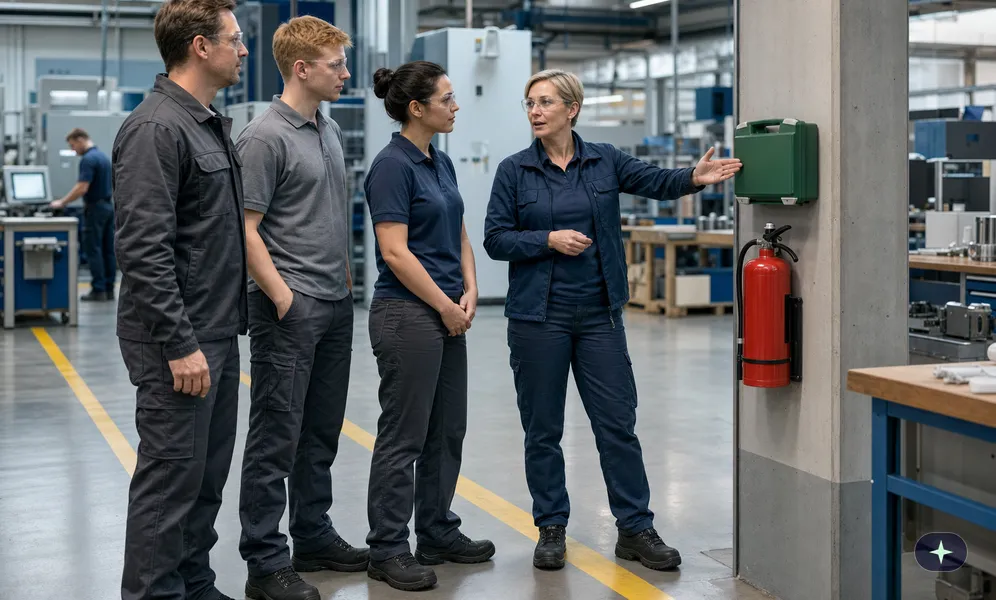
Safe work starts with basic knowledge of occupational health and safety, which covers protective measures in everyday work as well as reporting channels in an emergency. You learn to recognize hazards and to respond responsibly to emergencies.

Managers put the General Act on Equal Treatment (AGG) into practice in personnel decisions and everyday team life. You learn to recognize discrimination risks and handle complaints correctly.

In direct contact with citizens, tense situations are increasing, up to and including verbal or physical assaults. You learn to recognize early signs of conflict and to respond with clear rules of conduct.

Loyalty to the constitution and the duty of neutrality shape the public service, as does the tension between being bound by law and being close to citizens. You learn about its special characteristics, right through to budget law and administrative ethics.

When external parties, freelancers, and volunteers are deployed, requirements on liability, data protection, and insurance apply. You learn to clearly delineate roles and to maintain confidentiality.

Agile methods such as Scrum and Kanban promise flexibility in digital projects, but are often adopted only superficially. You learn to prioritize backlogs and to combine agile with traditional approaches.

Shaping change effectively in your own area of responsibility requires an understanding of its phases. You learn to recognize resistance, plan communication, and embed change.
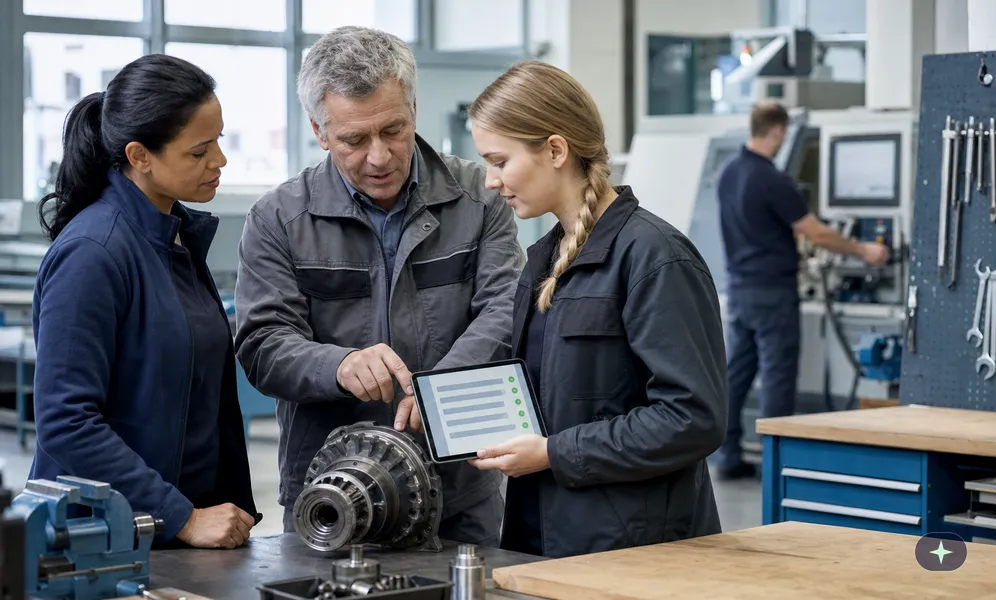
Where young and old work together in a team, leadership succeeds with an understanding of the generations' expectations and values. You learn to shape motivation individually and to promote collaboration.

In a succession, what matters is passing on knowledge in a structured way and onboarding successors so that nothing is lost. Your employees learn to make knowledge visible and to plan handovers.

Managers can delegate tasks and responsibility clearly to their team without losing control. You learn to formulate assignments unambiguously and to follow up on results appropriately.

Effective leadership at a distance relies on structured communication and a keen eye for isolation and overload in the team. You learn to build trust across distance and to manage performance with a focus on results.

The three pillars of retirement provision and the capital markets form the basis for informed decisions about your own retirement planning. You learn to classify asset classes and risks and to compare costs and subsidies.

In most processes, only a small part of the lead time goes to value-adding work. You learn to recognize the seven types of waste and to introduce Kanban boards.

Innovation potential in the age of AI can be identified in your own area and implemented with structured innovation processes. You learn to use AI-supported idea generation, evaluate ideas, and test prototypes.

Habits are more effective than resolutions, and this also applies to continuous learning, which can become a firm habit. Your employees learn to set learning goals and to anchor learning time in their day-to-day work.
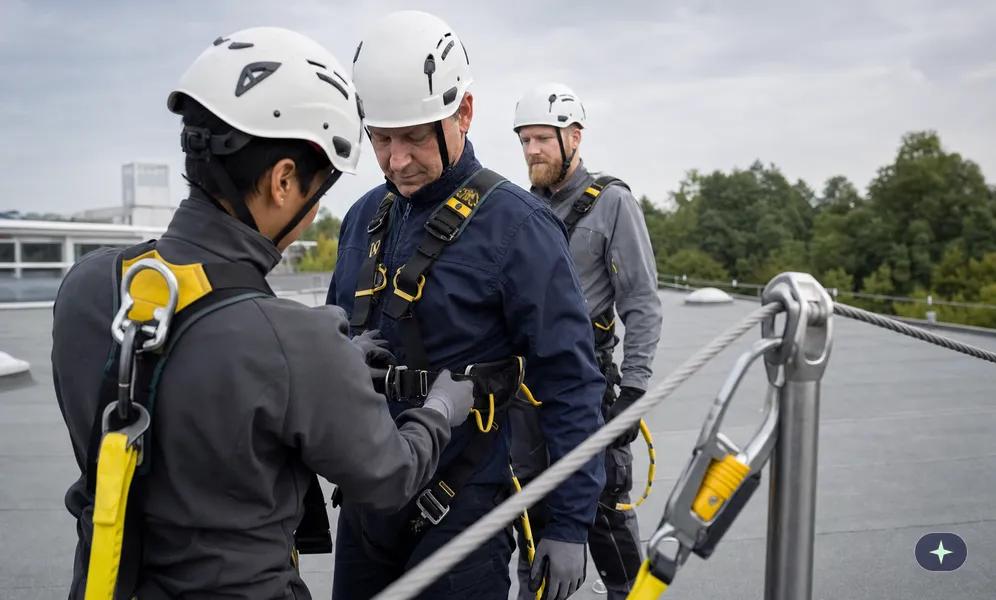
Personal protective equipment against falls is only effective if it is correctly selected, put on, inspected, and used. You learn to assess anchor points and to use fall arrest systems correctly.

On printing presses, the most frequent serious accidents occur when cleaning rollers while they are running and when clearing faults without shutting down the machine. You learn to recognize danger points and to use protective devices correctly.

In the event of accidents and medical emergencies at work, reacting correctly in the first few minutes is what counts. You learn to start the chain of survival and to perform immediate life-saving measures.

Anyone who knows where their time goes recognizes time wasters and patterns and can set priorities with confidence. Your employees learn to distinguish the important from the urgent and to say no.

Explosive atmospheres can occur wherever flammable substances and dusts are involved. You learn to recognize Ex zones and to avoid ignition sources.

Operating forklifts safely protects against accidents involving industrial trucks, which often have serious consequences. You learn about stability, load handling, and how to behave in traffic with pedestrians.

In everyday work, electric current poses hazards that are fatal even at low current levels. You learn to recognize sources of danger and to respond correctly to electrical accidents.
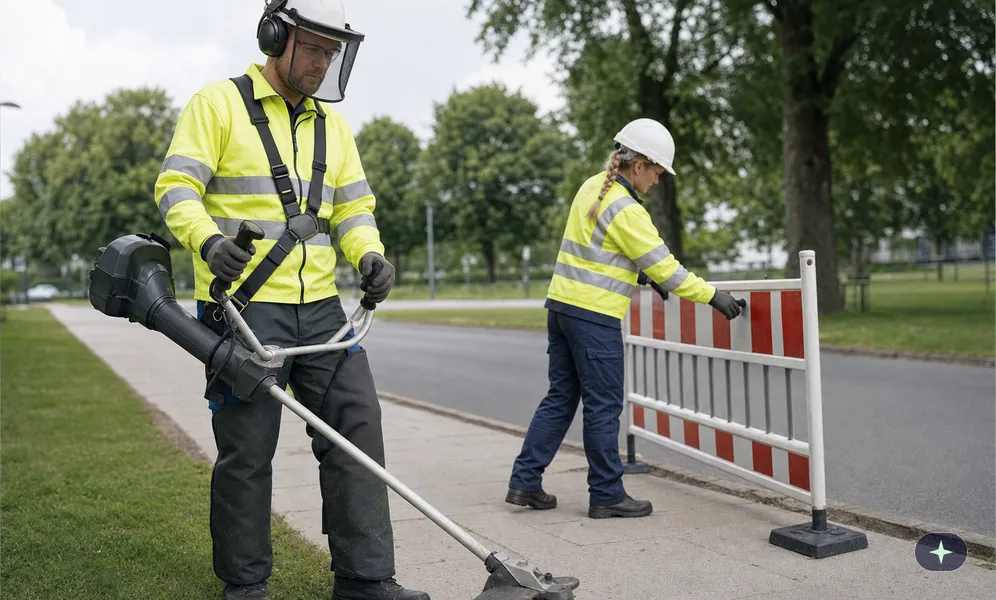
Grounds maintenance combines numerous hazards, from cutting tools and ejected parts to traffic at the roadside. You learn to use machines and equipment safely and to work safely in road areas.

Safe use of drills, angle grinders, circular saws, and nailers starts even before they are used. You learn to inspect equipment, use protective devices, and avoid the causes of accidents.
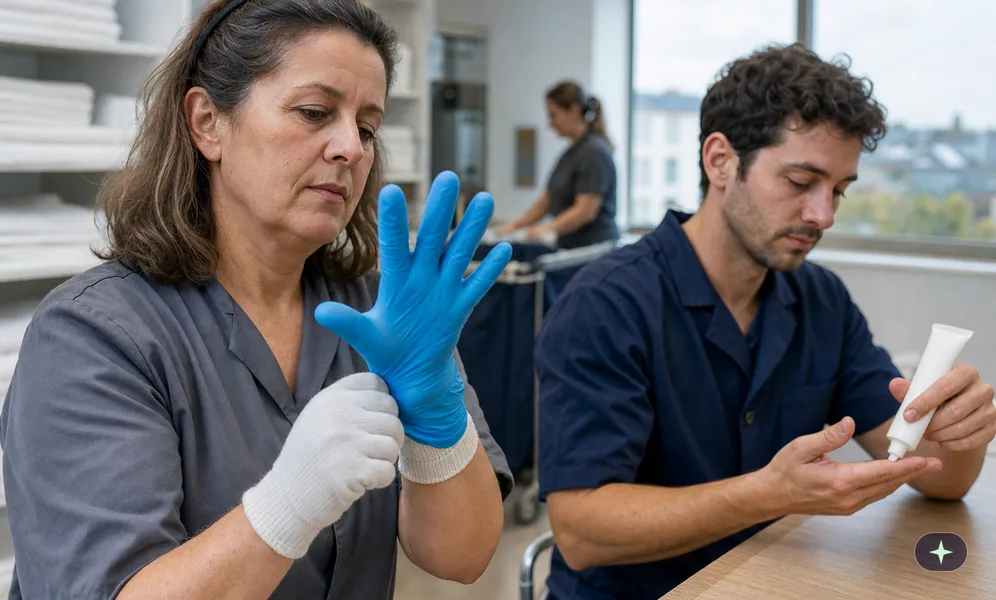
The skin is subjected to heavy strain during work that stresses the skin and needs effective protection so that no skin damage occurs. You learn to apply the skin protection plan and to notice the first signs of skin diseases.

Anyone who assesses load limits, applies lifting techniques correctly, and uses technical aids protects their back, joints, and intervertebral discs. Your employees learn to lift, carry, and set down loads in a back-friendly way.

Alcohol and drugs have no place in the workplace, and risky consumption affects all industries and hierarchy levels. You learn to recognize signs and to approach those affected without stigmatizing them.

The Occupational Health and Safety Act (ArbSchG) also applies when working from home, but the employer cannot control the conditions at home. You learn to work ergonomically, take breaks as required, and protect information.

Mobile elevating work platforms replace ladders and scaffolding, yet they are still associated with serious fall, crushing, and tip-over accidents. You learn to check stability, to secure yourself in the basket, and to use the emergency lowering system.

Personal hygiene is crucial in the workplace, because people are the most common source of pathogen transmission. You learn to interrupt routes of infection with hand hygiene and correct workwear.

Most robot accidents happen during setup, teaching, and troubleshooting. You learn to use protective devices and operating modes.

The follow-up instruction under Section 43 IfSG is required every two years for everyone who produces, handles, or places food on the market. You learn which illnesses and symptoms lead to work prohibitions.
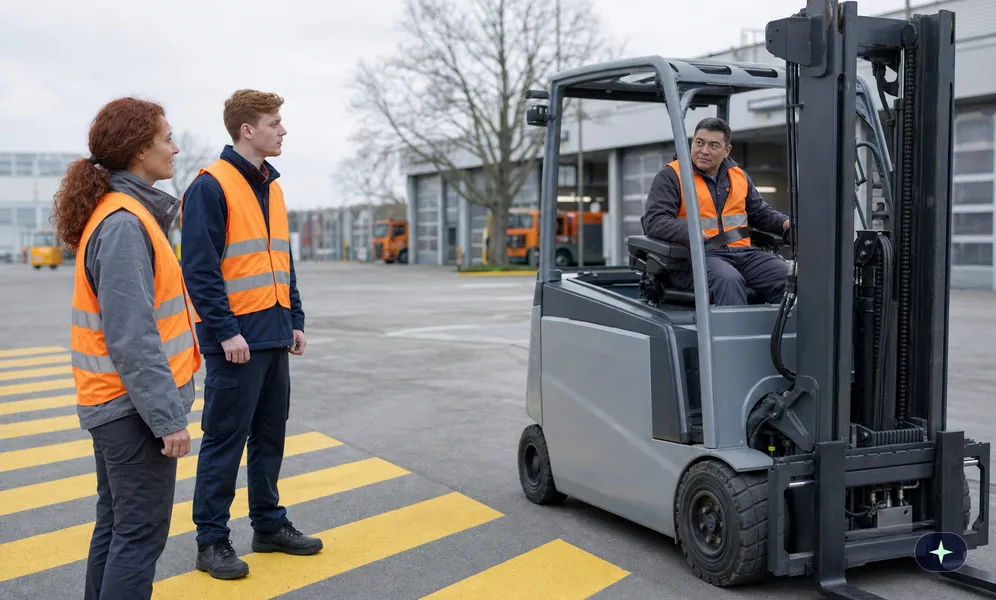
In internal transport, everyone is called upon, whether as a driver, pedestrian, or manager. You learn to use traffic routes and means of transport safely and to avoid collisions.
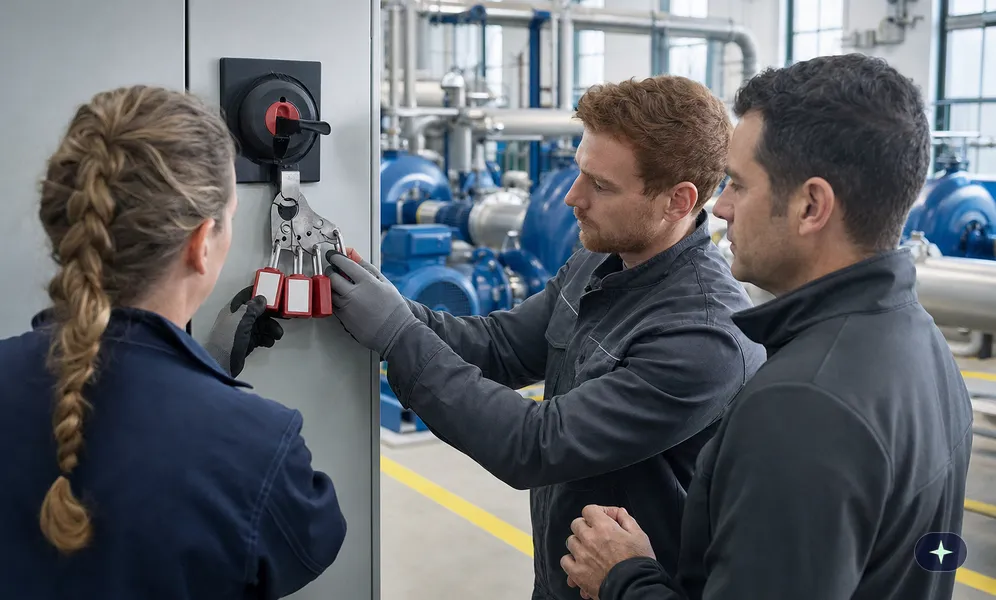
A disproportionately high number of serious accidents occur during maintenance work on machinery and equipment. Your employees learn to isolate equipment safely and to use work permits.

When several companies or trades work on one site, their activities must be safely coordinated and aligned. You learn about mutual hazards and the role of the coordinator.

Drivers, loaders, and vehicle owners are equally responsible for securing loads on vehicles and trailers. You learn to understand the physical principles and to use lashing equipment correctly.

In commercial kitchens, knives, slicers, hot fat, steam, wet floors, and time pressure during service all come together. You learn to avoid cuts, burns, and falls and to work hygienically.

Noise at work damages hearing, and the LärmVibrationsArbSchV sets out the obligations to protect against it. You learn to understand exposure action values and to select and wear hearing protection correctly.
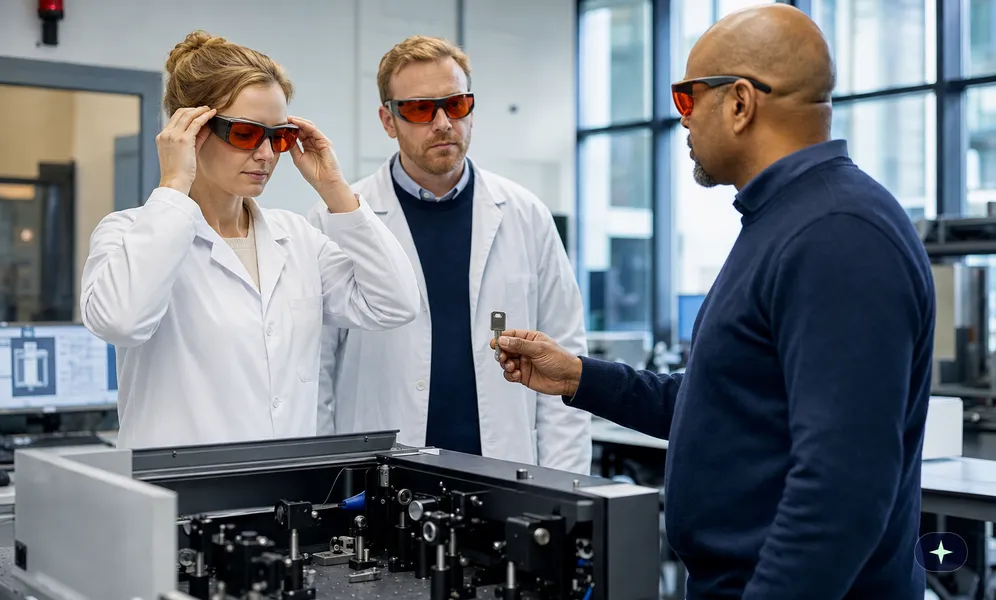
Working safely with laser equipment means knowing the hazards of laser radiation and the role of the laser safety officer. You learn to distinguish between laser classes and to use laser safety goggles correctly.

Falls from low heights can be prevented if ladders and step stools are selected, inspected, and used safely. Your employees learn when a ladder is the right work equipment in the first place.
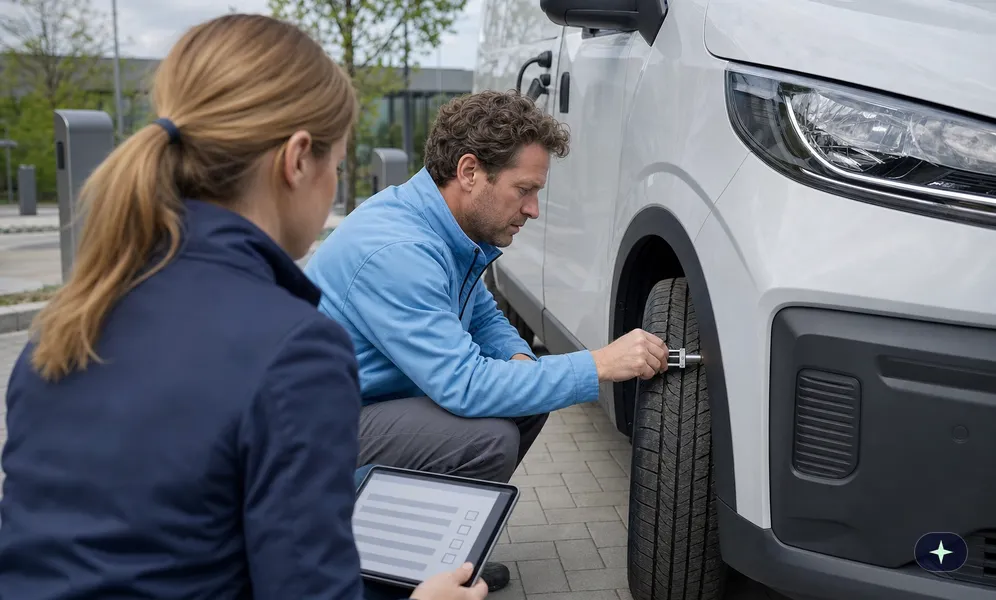
Anyone who drives company cars or fleet vehicles is out in road traffic, the most common cause of fatal occupational accidents. You learn to inspect vehicles, avoid distractions, and respond correctly in the event of accidents.
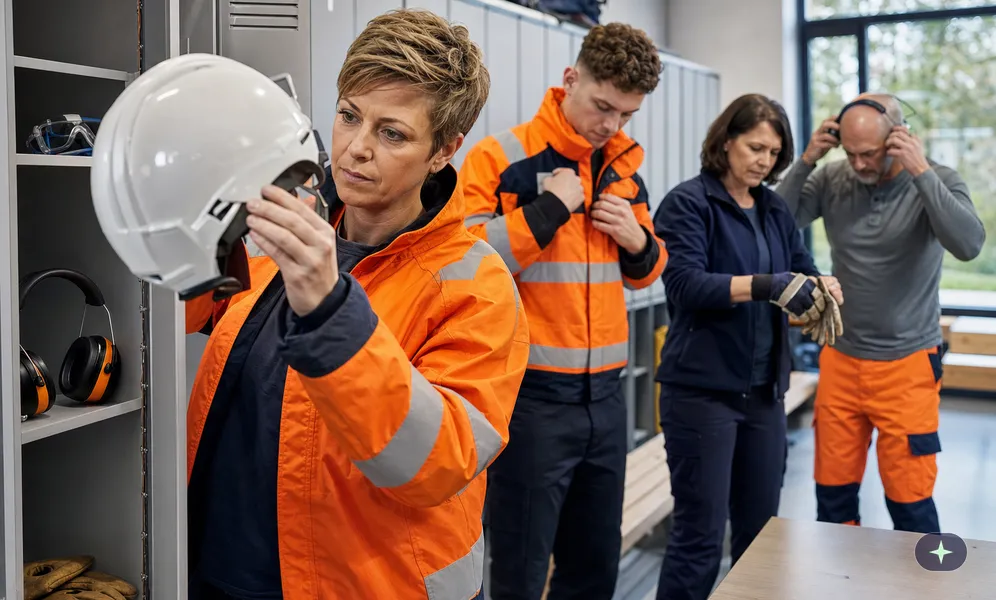
Personal protective equipment only protects if it is selected on the basis of the risk assessment and used correctly. Your employees learn to use PPE correctly and to pay attention to fit and condition.
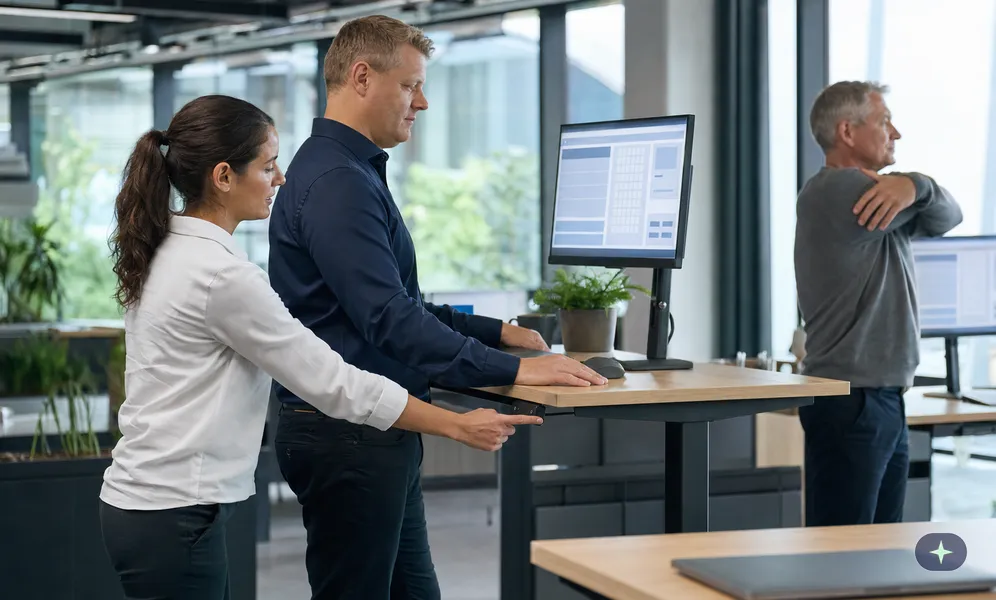
A large proportion of back pain is caused by prolonged sitting, one-sided strain, and lack of exercise. You learn to recognize strain and to set up your workstation ergonomically.

At first glance, the risk in the office seems low, but prolonged improper strain leads to musculoskeletal disorders. You learn to effectively avoid typical hazards at office workstations.

Reading the safety and health protection signage at the workplace correctly helps with orientation in an emergency. You learn to distinguish between prohibition, mandatory, warning, rescue, and fire safety signs.

Many trip, slip, and fall accidents at work are avoidable, for example through order and cleanliness on traffic routes. You learn to recognize typical danger spots and to wear suitable footwear.
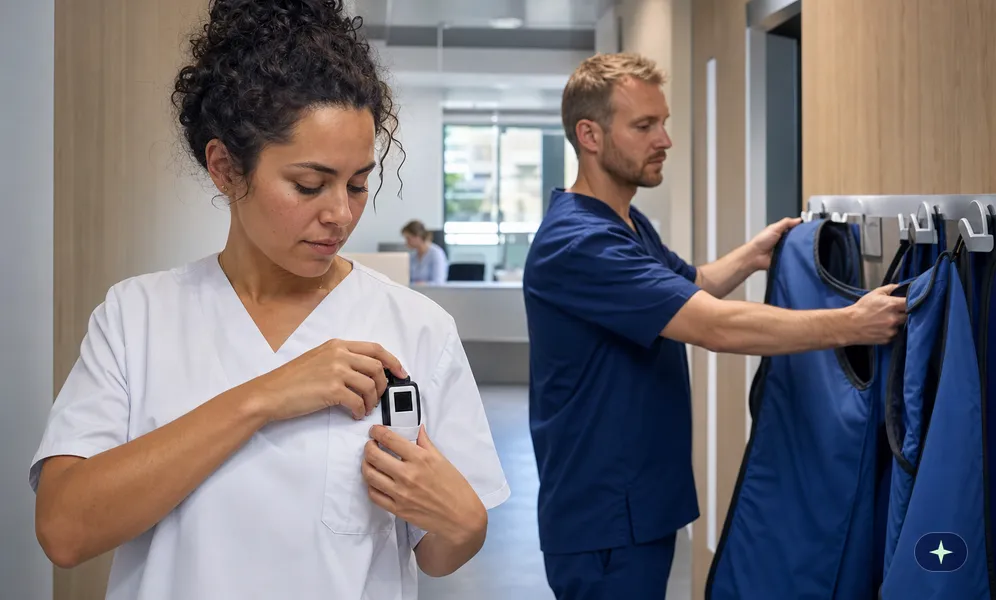
In controlled areas and when handling radiation sources, ionizing radiation poses hazards that require systematic protection. You learn to apply the basic principles of radiation protection and to use dosimeters.

Even simple hand tools can cause cuts and crush injuries if they are used without being checked or are used incorrectly. You learn to use hammers, screwdrivers, pliers, knives, and files safely.

Handling hazardous substances safely covers identifying, storing, and using them as well as how to behave in the event of a release, skin contact, or fire. Your employees learn to read GHS/CLP labeling and safety data sheets.

Projecting self-confidence and appearing assured begins with knowing your own strengths and knowing what you stand for. You learn to use body language and voice consciously and to take a stand in meetings.
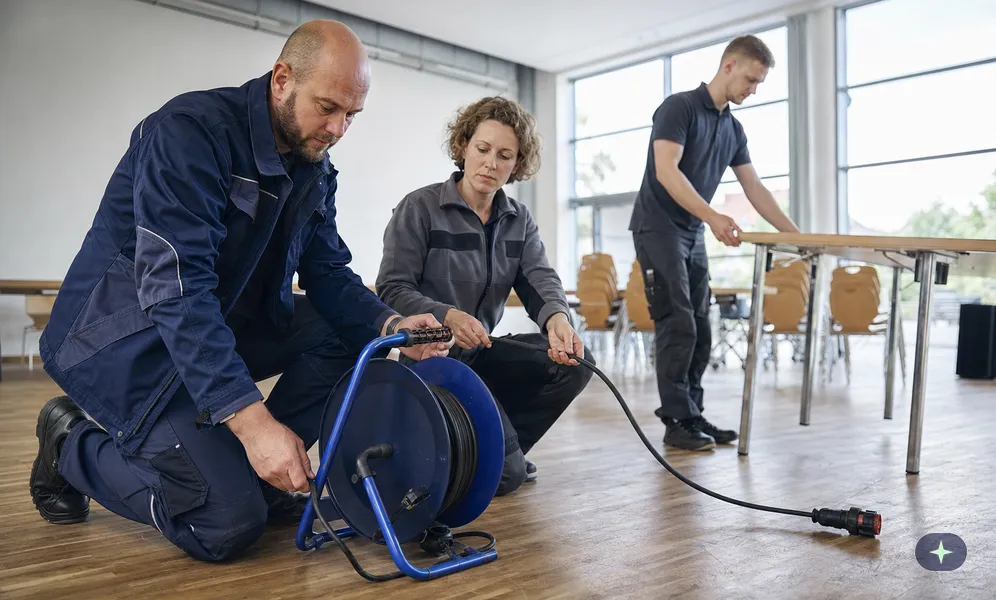
Electrical equipment such as devices, extension cords, chargers, and machines can cause electrical accidents and fires if it is defective. You learn to check equipment and to understand protection classes and inspection stickers.

At ramps, gates, and outdoors, loading and unloading depends on the correct use of dock levelers and tail lifts. You learn to secure vehicles against rolling away and to prevent falls and crushing injuries.

The same basic rules of the Ordinance on Industrial Safety and Health (BetrSichV) apply to work equipment, from simple devices to machines and installations. You learn the importance of operating instructions, inspections, and protective devices.

Digitalization and AI are changing almost every workplace, yet many employees lack a basic understanding of them. You learn to use digital tools sensibly and to assess opportunities and risks.

Handling biological agents such as bacteria, viruses, fungi, and parasites entails the risk of infections, allergies, and poisoning. You learn to understand risk groups and protection levels and to apply protective measures.
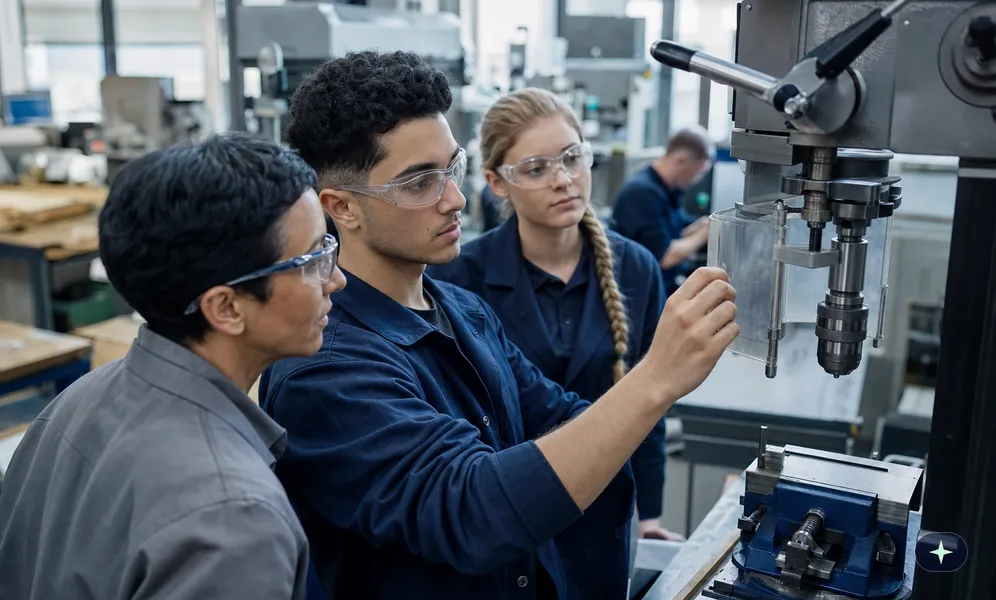
On lathes, milling machines, and drilling machines, rotating tools and flying chips cause serious accidents. You learn to clamp workpieces and tools securely and to use protective devices.

Money laundering prevention under Section 6 of the German Money Laundering Act (GwG) is set in the context of European regulations such as AMLR 2024/1624. You learn to put customer due diligence obligations into context and to apply them.

On screen, reading habits from school slow down the pace at which most employees take in texts. You learn to use reading techniques such as skimming and scanning and to retain texts better.

Anyone who brokers life insurance and other investment products is in the first line of defense as the first point of contact with the customer. You learn to recognize risks, apply due diligence obligations, and report suspicious cases.

Asset management companies and fund managers are responsible for preventing money laundering and terrorist financing. You learn to recognize risks, apply due diligence obligations, and report suspicious cases.

Lawyers, notaries, and patent attorneys are obligated to prevent money laundering when performing listed activities under the German Money Laundering Act (GwG) and AMLR 2024/1624. You learn to recognize risks, apply due diligence obligations, and report suspicious cases.
Bridgly is the European training partner for audit-proof, tailored, and automated training and professional development.
 We support the IHK initiative "Pack ma's digital" to help businesses in Upper Bavaria with digitalisation and secure the future of the region.
Note: Some text, images, and videos on this website were generated using artificial intelligence.
All content is for informational purposes and has been carefully reviewed from a journalistic perspective, but does not claim to be exhaustive or legally binding.